NetZeroCities
National Competence Centre and solutions for the development of Climate Neutral and Smart Cities
Membri
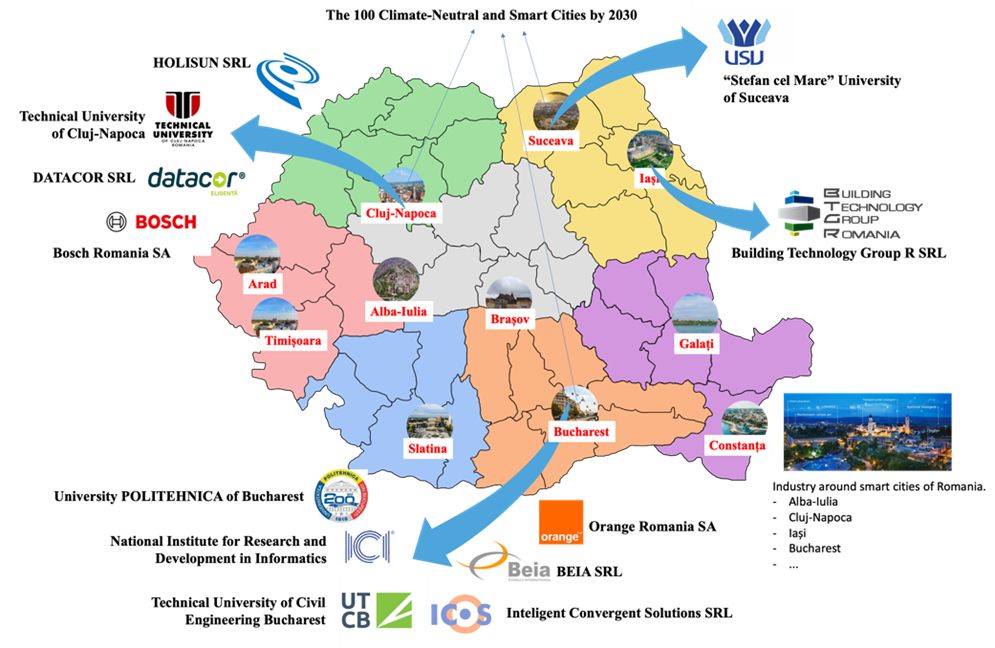
Membrii consorțiului

NetZeroCities at the AOSR Conference – Science for a Healthy Society
Dr. Eng. Ionuț Petre and Prof. Dr. Eng. Florin Pop delivered a presentation on the topic of Smart Governance for the Climate-Neutral Transition of Smart Cities.
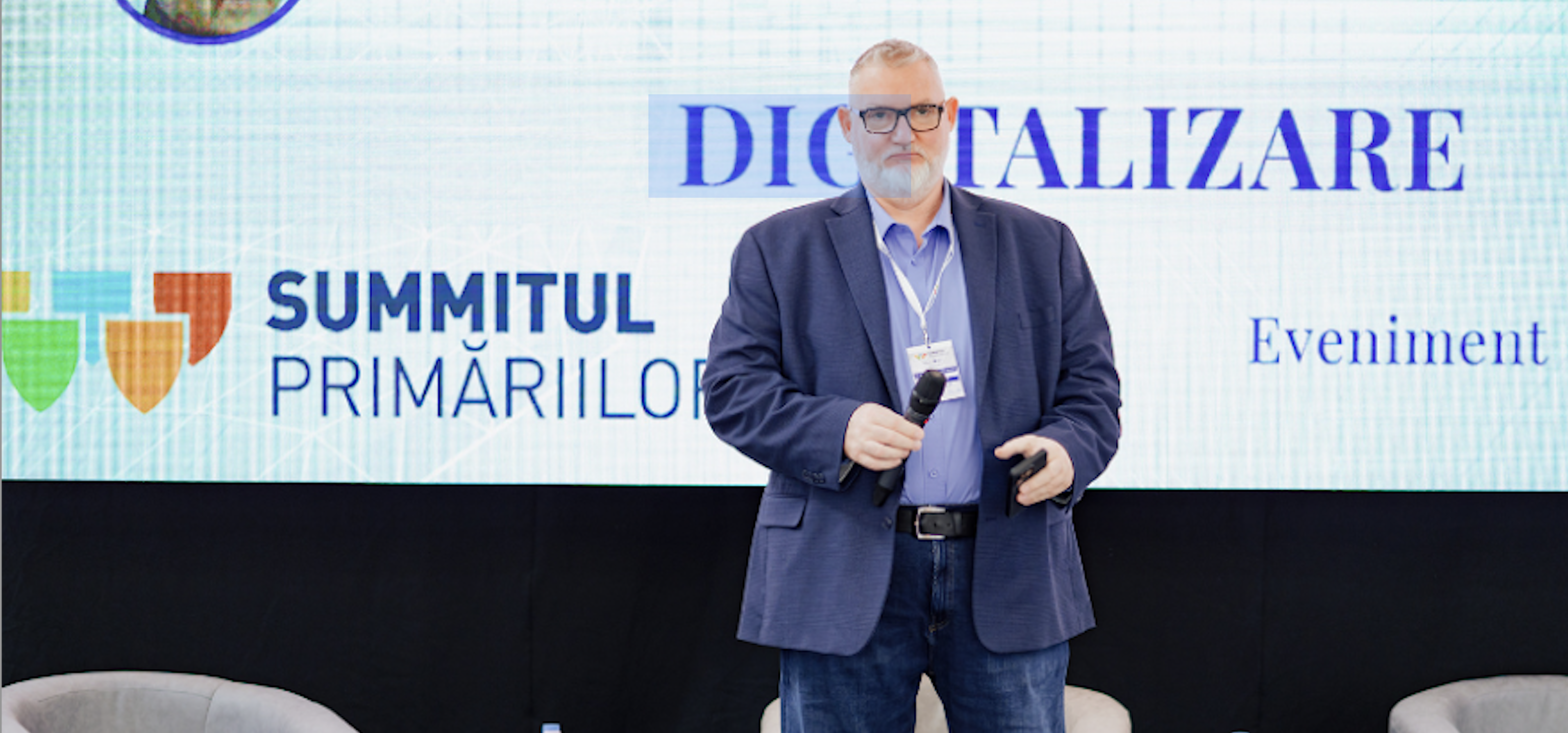
NetZeroCities at the Mayors Summit 2024
Presentation of NetZeroCities to Mayors, Business Experts, and Technology Leaders

NetZeroCities at the AOSR conference 2024 - The role of artificial intelligence in the sustainable development of Romania
Continuous monitoring and performance analysis in the transition of smart cities towards climate neutrality

Governance of climate-neutral smart cities
The rapid technological advancements of the past decade support the creation of a favorable framework for environmental protection, especially in urban areas, through sustained efforts from all stakeholders. This paradigm of climate-neutral cities has brought about a fundamental shift in modern urban governance, with key objectives including environmental sustainability, urban mobility, advanced management systems in buildings, energy-efficient consumption, and active citizen involvement.
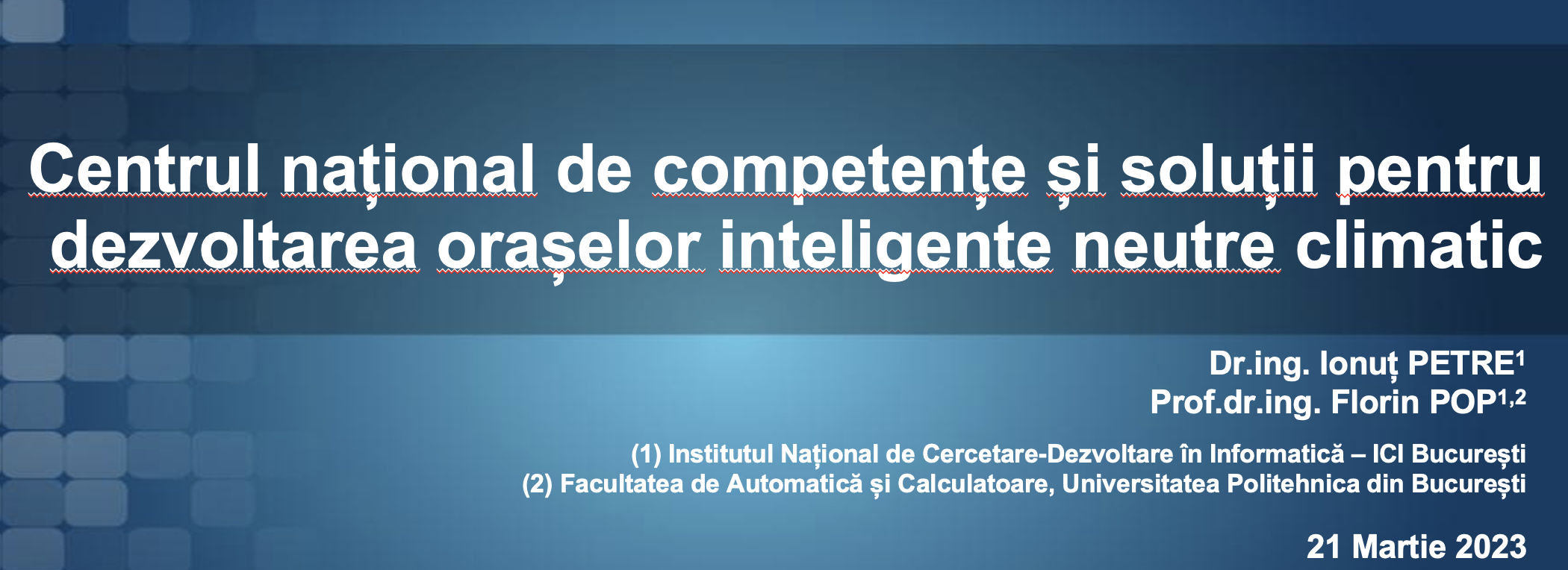
NetZeroCities at the brokerage event "European Missions 21-22 May 2024" - "Smart Cities and Climate Neutrality – the Role of Civil Society in Promoting European Missions
Presentation of interim results from the National Competence and Solutions Center for the Development of Climate-Neutral Smart Cities

NetZeroCities at the 2025 Mayors’ Summit
Presentation of the Centre's results within NetZeroCities to mayors, business experts, and technology leaders
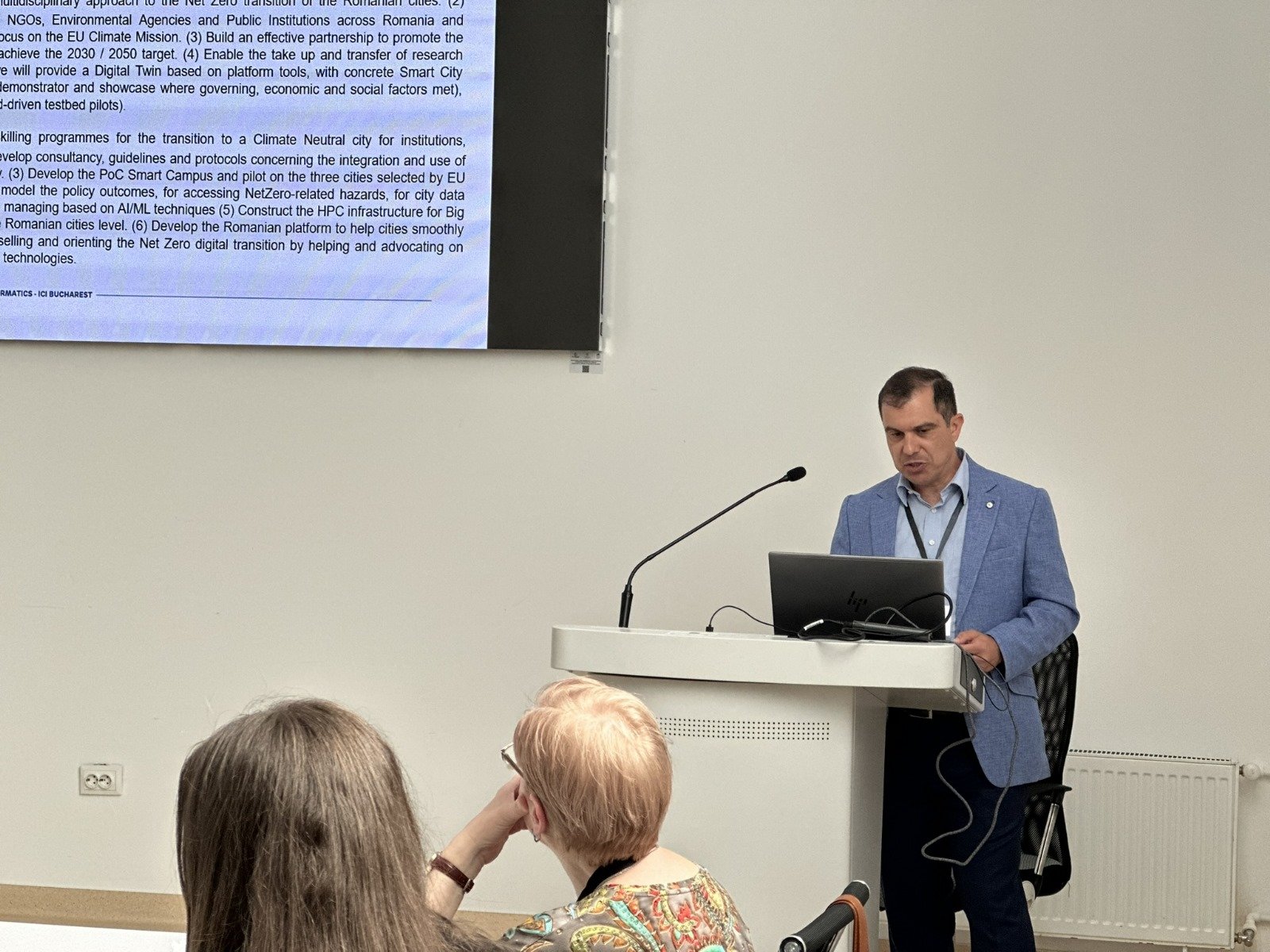
The NetZeroCities project presented at MITRE 2025
Researchers from ICI Bucharest and Politehnica University of Bucharest participated in the international MITRE 2025 conference.
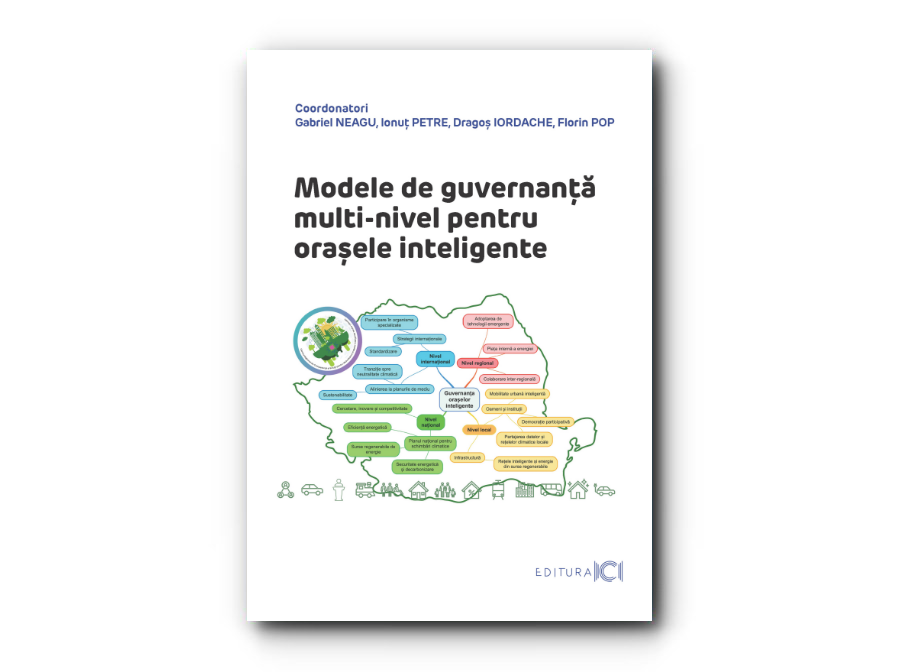
Multi-Level Governance Models for Smart Cities
The book “Multi-Level Governance Models for Smart Cities” explores how cities can be effectively governed in the context of digital transformation and smart urban development. It highlights the importance of collaboration across governance levels—local, regional, national, and European—as well as the role of digital technologies, data, and innovation in improving public services and urban quality of life.
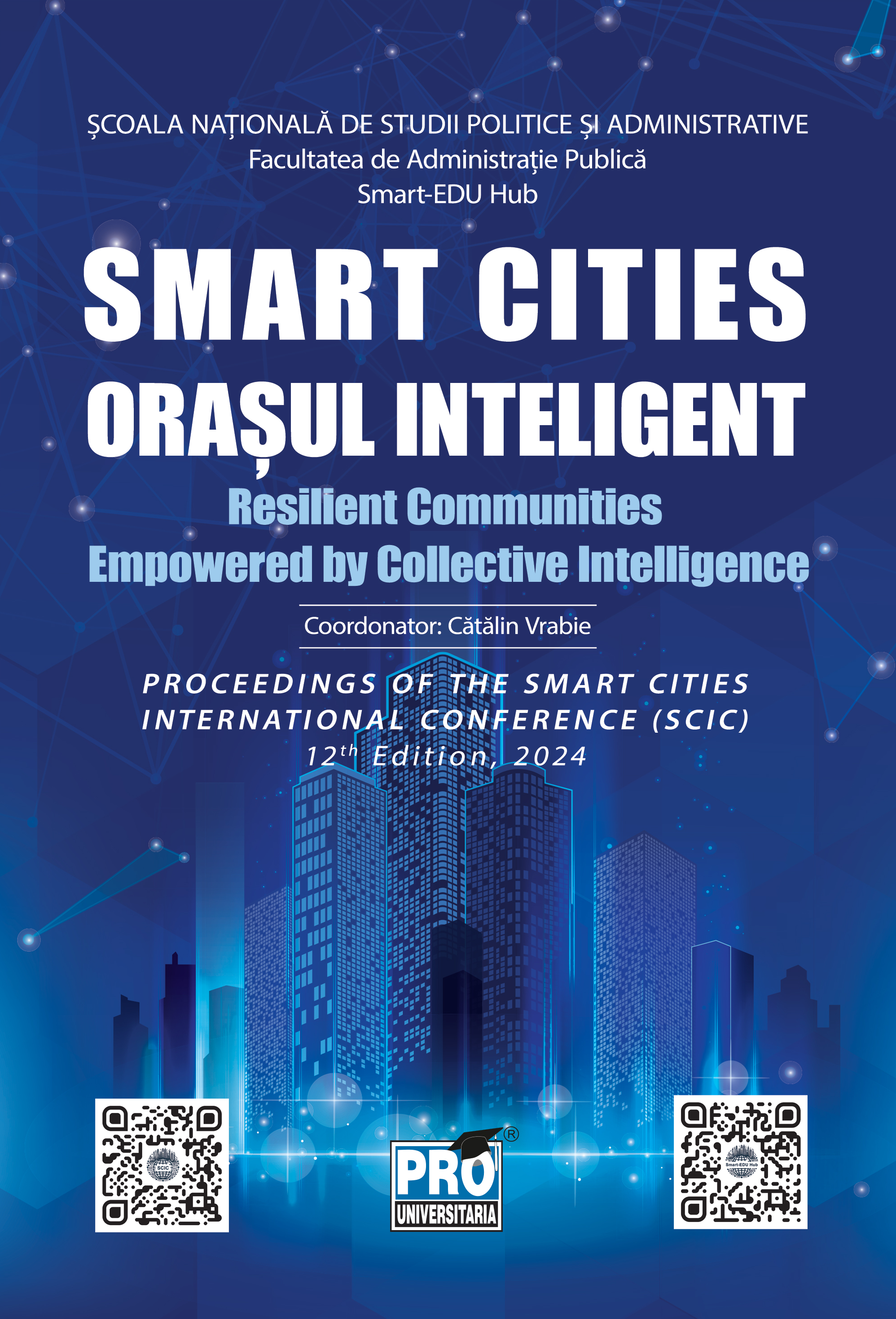
The next level of the urban innovation: from the 15 minute city to the synergic smart city
The article “The next level of the urban innovation: from the 15 minute city to the synergic smart city” examines the transition from the 15-minute city concept to a new Synergic Smart City paradigm, combining advanced technologies with sustainable urban design to create urban environments that balance technological efficiency and human well-being.

NetZeroCities at the AOSR conference 2025 - Science, knowledge, creativity, spirituality.
The National Scientific Autumn Conference organized by the Academia Oamenilor de Știință din România represents a major academic platform for presenting scientific research outcomes in Romania, bringing together experts from universities, national research institutes, and academic institutions. The event promotes interdisciplinary dialogue and strengthens both national and international visibility of Romanian research.Within this framework, the paper entitled “Metrics and methodologies to handle the Net Zero transition process of Smart Cities” was presented and published in the official conference book of abstracts.

NetZeRoCities Competition – First Edition
Citizen participation in the transition of cities towards climate neutrality is essential.

SmartIdeas @ NetZeRoCities
The competition is open to teams led by a PhD student, who may submit a research proposal. The team may include the PhD supervisor and/or other collaborators.

Innovation @ NetZeRoCities
The competition is open to teams passionate about innovation and sustainability, regardless of age, profession, or affiliation.
Why is the multi-level governance essential for energy transition?
Tranziția energetică nu este doar o transformare tehnologică. Ea reprezintă o schimbare profundă de paradigmă economică, socială și instituțională. Trecerea de la un model bazat pe combustibili fosili la unul centrat pe energie regenerabilă, eficiență energetică și neutralitate climatică presupune intervenții coordonate la multiple niveluri de decizie.
Dimensions of Multi-Level Governance
The concept of multi-level governance represents a new paradigm for understanding how authority and competences are distributed and shared between the European institutions, the Member States and sub-national authorities.

The European Multi-Level Governance Framework
The European multi-level governance framework represents one of the most complex institutional architectures developed globally. Unlike classical, strictly hierarchical systems, the European Union operates on the basis of a dynamic distribution of competences between the supranational, national, regional and local levels, in a framework characterized by interdependence and permanent cooperation. Thus, decisions are the result of a continuous process of negotiation, coordination and co-creation between actors located at multiple administrative levels.
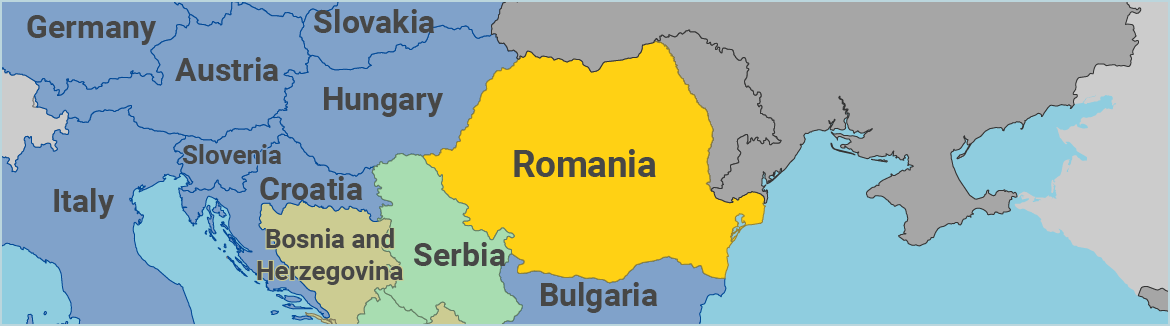
Multi-level governance in Romania
In Romania, the adoption of the MLG model began with a process of decentralization of various powers of central public authorities and the establishment of development regions. Although substantial progress has been made, there are still a number of difficulties in terms of the development of decision-making structures. The main reasons are primarily related to the lack of political support. A relevant example is the regionalization process, which currently responds more to functional requirements – attracting European funds and preparing management capacity development programs – than to real decision-making and policy implementation functions. Despite these difficulties, there are initiatives, coupled with economic pressure, to strengthen the role of development regions and, with them, the development of the third level, alongside the other two existing ones: central and local.

The National Integrated Plan for Energy and Climate Change in Romania (PNIESC)
The PNIESC is an integrated framework that supports Romania in the transition to a low-carbon economy, in line with the European climate neutrality objectives for 2050. The document includes concrete measures and policies for all economic sectors, including industry, transport, energy and agriculture, to ensure a just and sustainable transition.

Multi-level governance models for climate action
At European level, climate policies are not developed and implemented by a single institution. They involve the European Union, national governments, regions, cities, but also companies, universities and civic organizations. The ways in which these entities interact and collaborate can take different forms, so we can talk about several models of multi-level governance for climate action.
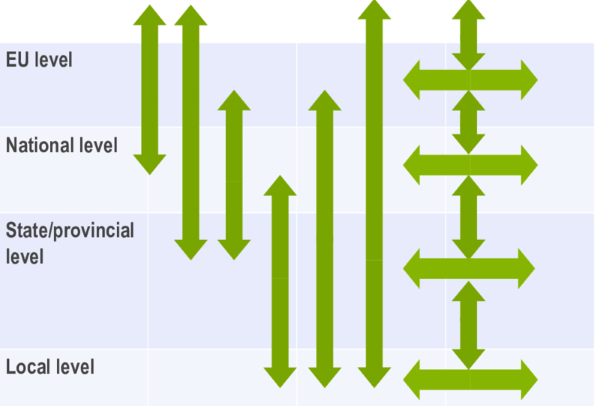
Principles of multi-level governance
In recent decades, European integration and the decentralization of political authority have significantly reshaped the way decisions are made and policies are implemented in the European Union. This model transcends the traditional framework of the nation-state, consisting of a complex network of regional, national and supranational actors, working together to address diverse political, economic and social issues.
Principles of multi-level governance
In recent decades, European integration and the decentralization of political authority have significantly reshaped the way decisions are made and policies are implemented in the European Union. This model transcends the traditional framework of the nation-state, consisting of a complex network of regional, national and supranational actors, working together to address diverse political, economic and social issues.
March 2, 2026

The European Multi-Level Governance Framework
The European multi-level governance framework represents one of the most complex institutional architectures developed globally. Unlike classical, strictly hierarchical systems, the European Union operates on the basis of a dynamic distribution of competences between the supranational, national, regional and local levels, in a framework characterized by interdependence and permanent cooperation. Thus, decisions are the result of a continuous process of negotiation, coordination and co-creation between actors located at multiple administrative levels.
Feb. 26, 2026

The National Integrated Plan for Energy and Climate Change in Romania (PNIESC)
The PNIESC is an integrated framework that supports Romania in the transition to a low-carbon economy, in line with the European climate neutrality objectives for 2050. The document includes concrete measures and policies for all economic sectors, including industry, transport, energy and agriculture, to ensure a just and sustainable transition.
Feb. 26, 2026
NetZeroCities
National Competence Centre and solutions for the development of Climate Neutral and Smart Cities
Membri
Membrii consorțiului
NetZeroCities at the AOSR Conference – Science for a Healthy Society
Dr. Eng. Ionuț Petre and Prof. Dr. Eng. Florin Pop delivered a presentation on the topic of Smart Governance for the Climate-Neutral Transition of Smart Cities.
NetZeroCities at the Mayors Summit 2024
Presentation of NetZeroCities to Mayors, Business Experts, and Technology Leaders
NetZeroCities at the AOSR conference 2024 - The role of artificial intelligence in the sustainable development of Romania
Continuous monitoring and performance analysis in the transition of smart cities towards climate neutrality
Governance of climate-neutral smart cities
The rapid technological advancements of the past decade support the creation of a favorable framework for environmental protection, especially in urban areas, through sustained efforts from all stakeholders. This paradigm of climate-neutral cities has brought about a fundamental shift in modern urban governance, with key objectives including environmental sustainability, urban mobility, advanced management systems in buildings, energy-efficient consumption, and active citizen involvement.
NetZeroCities at the brokerage event "European Missions 21-22 May 2024" - "Smart Cities and Climate Neutrality – the Role of Civil Society in Promoting European Missions
Presentation of interim results from the National Competence and Solutions Center for the Development of Climate-Neutral Smart Cities
NetZeroCities at the 2025 Mayors’ Summit
Presentation of the Centre's results within NetZeroCities to mayors, business experts, and technology leaders
The NetZeroCities project presented at MITRE 2025
Researchers from ICI Bucharest and Politehnica University of Bucharest participated in the international MITRE 2025 conference.
Multi-Level Governance Models for Smart Cities
The book “Multi-Level Governance Models for Smart Cities” explores how cities can be effectively governed in the context of digital transformation and smart urban development. It highlights the importance of collaboration across governance levels—local, regional, national, and European—as well as the role of digital technologies, data, and innovation in improving public services and urban quality of life.
The next level of the urban innovation: from the 15 minute city to the synergic smart city
The article “The next level of the urban innovation: from the 15 minute city to the synergic smart city” examines the transition from the 15-minute city concept to a new Synergic Smart City paradigm, combining advanced technologies with sustainable urban design to create urban environments that balance technological efficiency and human well-being.
NetZeroCities at the AOSR conference 2025 - Science, knowledge, creativity, spirituality.
The National Scientific Autumn Conference organized by the Academia Oamenilor de Știință din România represents a major academic platform for presenting scientific research outcomes in Romania, bringing together experts from universities, national research institutes, and academic institutions. The event promotes interdisciplinary dialogue and strengthens both national and international visibility of Romanian research.
Within this framework, the paper entitled “Metrics and methodologies to handle the Net Zero transition process of Smart Cities” was presented and published in the official conference book of abstracts.
NetZeRoCities Competition – First Edition
Citizen participation in the transition of cities towards climate neutrality is essential.
SmartIdeas @ NetZeRoCities
The competition is open to teams led by a PhD student, who may submit a research proposal. The team may include the PhD supervisor and/or other collaborators.
Innovation @ NetZeRoCities
The competition is open to teams passionate about innovation and sustainability, regardless of age, profession, or affiliation.
Why is the multi-level governance essential for energy transition?
Tranziția energetică nu este doar o transformare tehnologică. Ea reprezintă o schimbare profundă de paradigmă economică, socială și instituțională. Trecerea de la un model bazat pe combustibili fosili la unul centrat pe energie regenerabilă, eficiență energetică și neutralitate climatică presupune intervenții coordonate la multiple niveluri de decizie.
Dimensions of Multi-Level Governance
The concept of multi-level governance represents a new paradigm for understanding how authority and competences are distributed and shared between the European institutions, the Member States and sub-national authorities.
The European Multi-Level Governance Framework
The European multi-level governance framework represents one of the most complex institutional architectures developed globally. Unlike classical, strictly hierarchical systems, the European Union operates on the basis of a dynamic distribution of competences between the supranational, national, regional and local levels, in a framework characterized by interdependence and permanent cooperation. Thus, decisions are the result of a continuous process of negotiation, coordination and co-creation between actors located at multiple administrative levels.
Multi-level governance in Romania
In Romania, the adoption of the MLG model began with a process of decentralization of various powers of central public authorities and the establishment of development regions. Although substantial progress has been made, there are still a number of difficulties in terms of the development of decision-making structures. The main reasons are primarily related to the lack of political support. A relevant example is the regionalization process, which currently responds more to functional requirements – attracting European funds and preparing management capacity development programs – than to real decision-making and policy implementation functions. Despite these difficulties, there are initiatives, coupled with economic pressure, to strengthen the role of development regions and, with them, the development of the third level, alongside the other two existing ones: central and local.
The National Integrated Plan for Energy and Climate Change in Romania (PNIESC)
The PNIESC is an integrated framework that supports Romania in the transition to a low-carbon economy, in line with the European climate neutrality objectives for 2050. The document includes concrete measures and policies for all economic sectors, including industry, transport, energy and agriculture, to ensure a just and sustainable transition.
Multi-level governance models for climate action
At European level, climate policies are not developed and implemented by a single institution. They involve the European Union, national governments, regions, cities, but also companies, universities and civic organizations. The ways in which these entities interact and collaborate can take different forms, so we can talk about several models of multi-level governance for climate action.
Principles of multi-level governance
In recent decades, European integration and the decentralization of political authority have significantly reshaped the way decisions are made and policies are implemented in the European Union. This model transcends the traditional framework of the nation-state, consisting of a complex network of regional, national and supranational actors, working together to address diverse political, economic and social issues.